
Intro
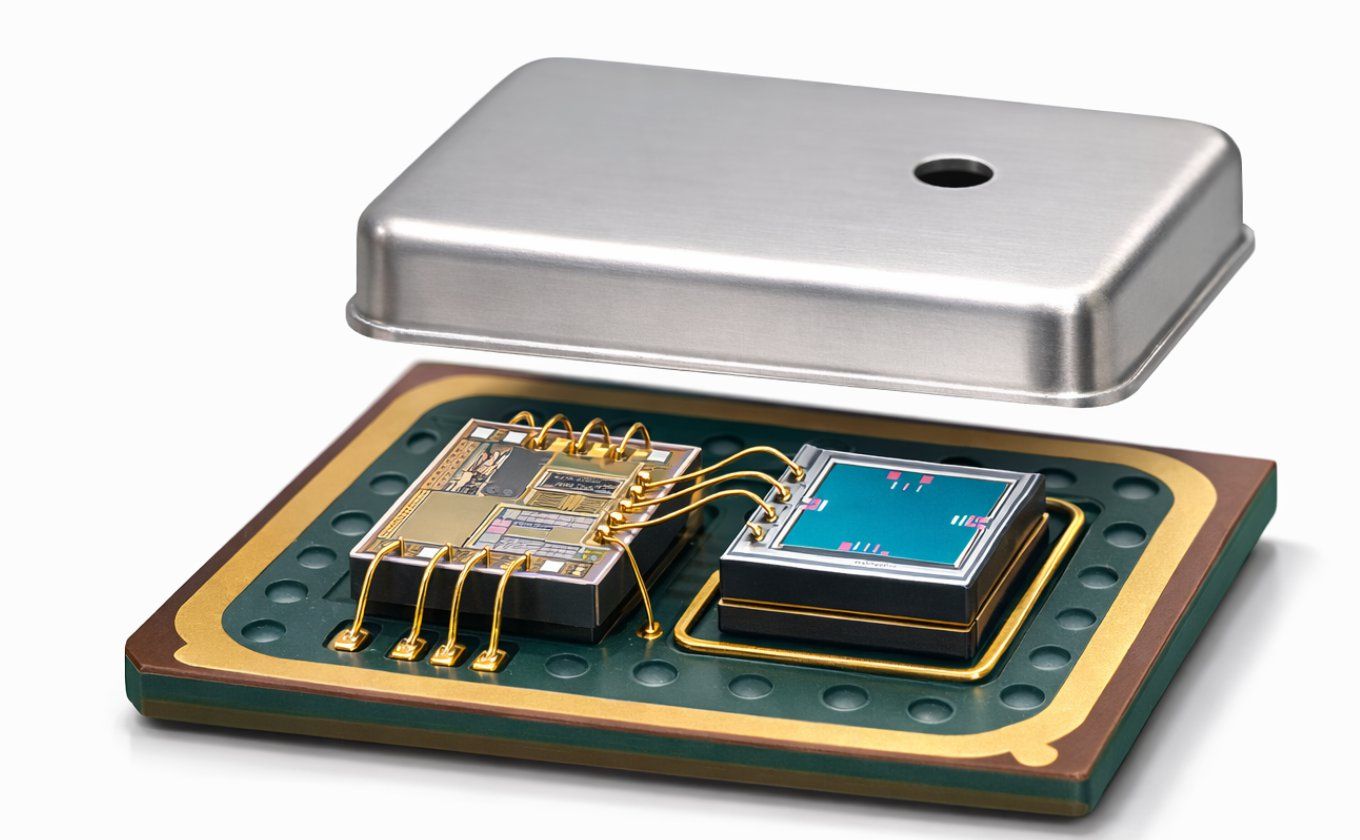
Pressure measurement is a basic requirement in many industrial and OEM systems, from air compressors and hydraulic equipment to medical devices, water treatment systems, and HVAC controls. In recent years, MEMS pressure sensors have become an important solution for applications that require compact size, stable performance, fast response, and cost-effective integration.
For buyers and engineers, the challenge is not simply understanding what a MEMS pressure sensor is. The more practical question is whether it is the right sensing technology for a specific application, media type, pressure range, and packaging requirement.
This article explains how MEMS pressure sensors work, why they are widely used, and what factors should be considered before selecting one for a product or system.
What Is a MEMS Pressure Sensor?
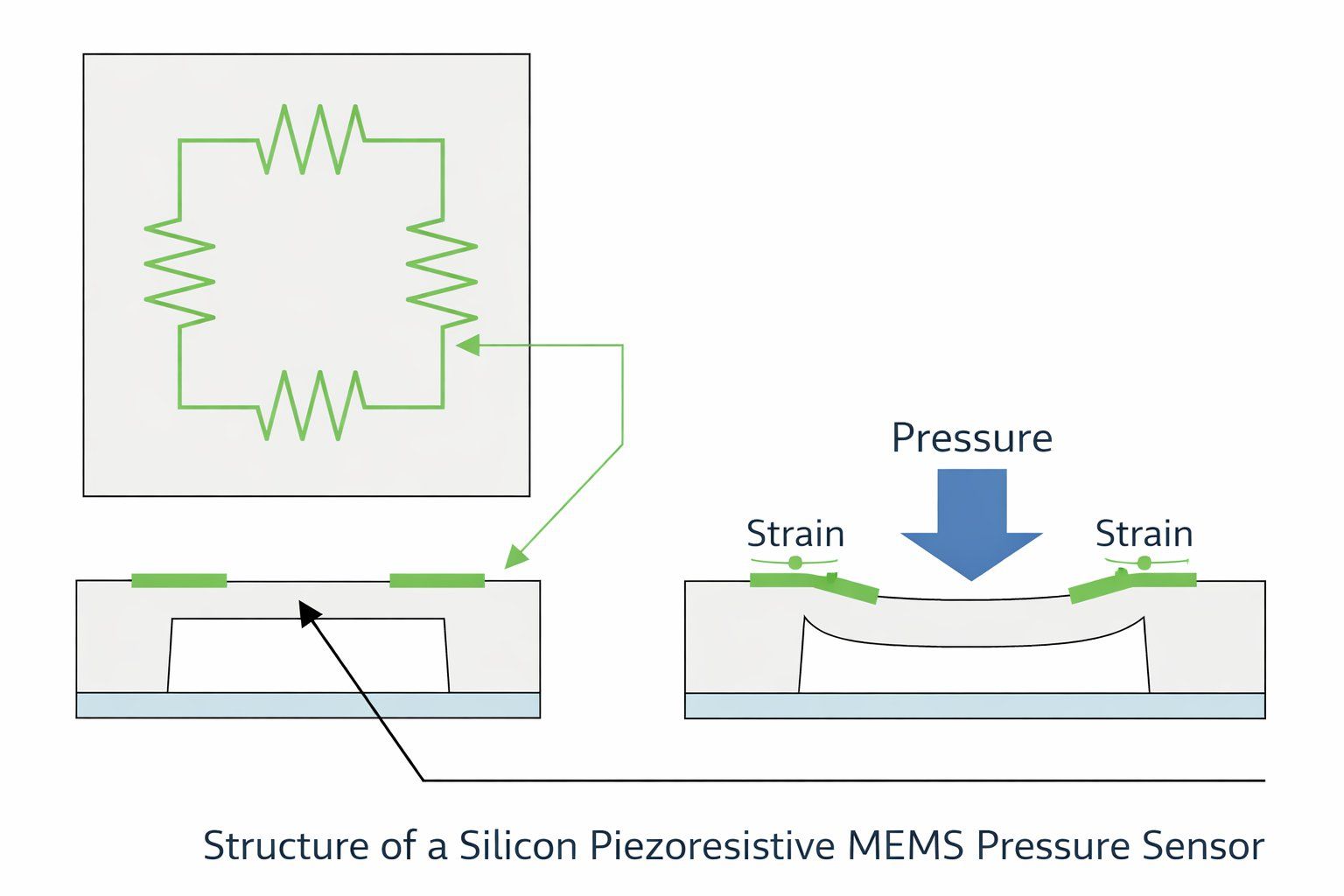
A MEMS pressure sensor is a pressure sensing device built using micro-electro-mechanical systems technology. In simple terms, the sensing structure is manufactured on a very small silicon chip. When pressure is applied, the diaphragm on the chip deforms slightly. That deformation causes a measurable electrical change, which is then converted into a pressure signal.
Because the sensing element is produced using semiconductor-based fabrication methods, MEMS pressure sensors are typically small, consistent, and suitable for large-scale production. They are often used either as core sensing elements in OEM products or integrated into complete pressure sensor and pressure transmitter assemblies.
How Does a MEMS Pressure Sensor Work?
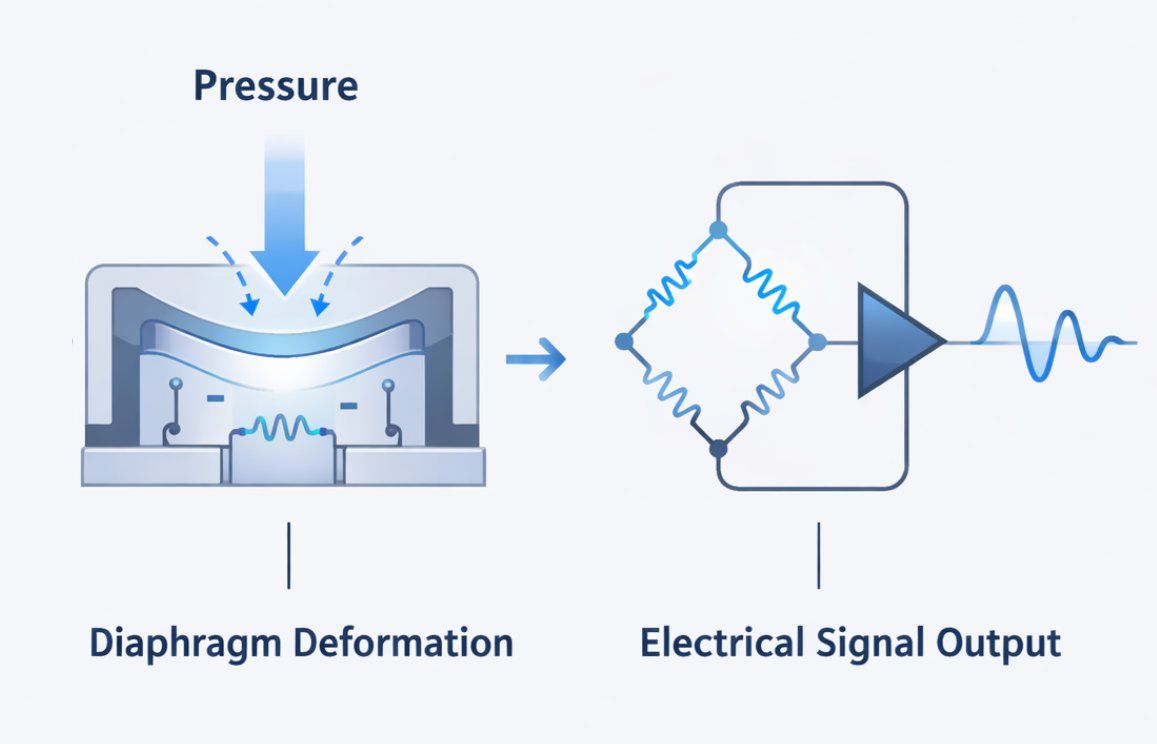
Although designs vary, the basic operating principle is similar across many MEMS pressure sensors.
Sensing Structure
At the center of the sensor is a micromachined silicon diaphragm. When pressure acts on the diaphragm, it deflects by a very small amount.
Signal Conversion
This mechanical deformation is converted into an electrical signal, commonly through piezoresistive sensing. In this approach, resistive elements on the silicon change value as stress changes. The sensor electronics then amplify, compensate, and condition the signal for output.
Output Form
Depending on the product design, the final output may be:
- A raw millivolt signal
- An amplified analog voltage signal
- A current signal such as 4–20 mA
- A digital output for embedded systems
In many industrial applications, the MEMS chip itself is only one part of the full product. Packaging, media isolation, temperature compensation, and signal conditioning are equally important to overall performance.
Why MEMS Pressure Sensors Are Widely Used
MEMS pressure sensors are popular because they offer a useful balance between performance, size, and manufacturing efficiency.
Key Advantages
- Compact structure for space-limited equipment
- Good sensitivity and fast response
- Repeatable production quality
- Suitable for high-volume OEM integration
- Flexible packaging options for different end uses
- Cost-effective for many commercial and industrial products
These advantages make MEMS technology especially attractive when designers need reliable pressure measurement without using a large or complex sensing assembly.
Common Applications of MEMS Pressure Sensors
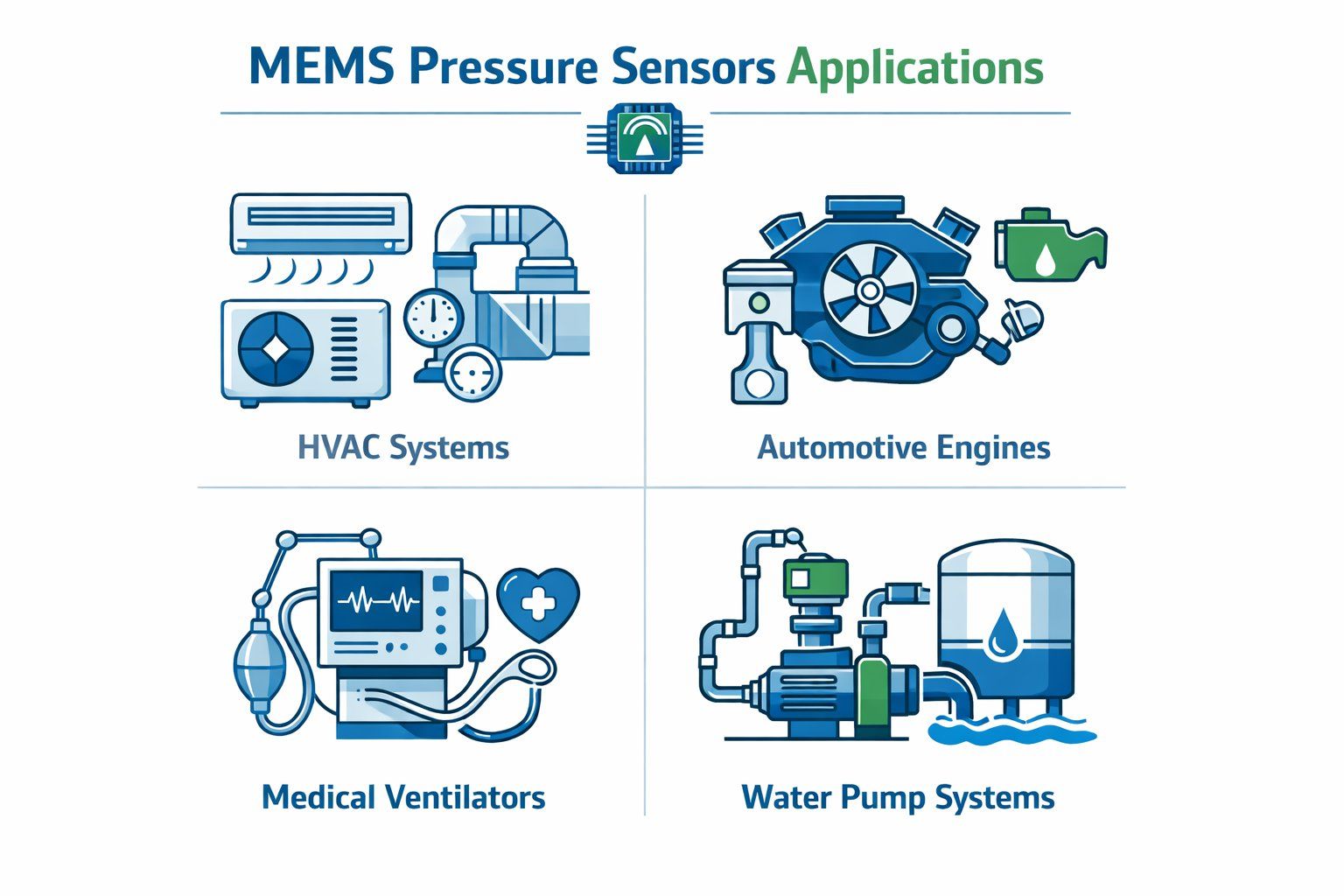
MEMS pressure sensors are used in many sectors, but the exact product structure depends on the environment and media.
Industrial and OEM Uses
Typical applications include:
- Air and gas pressure monitoring
- Pneumatic control systems
- HVAC and refrigeration equipment
- Water pumps and filtration systems
- Medical and laboratory instruments
- Automotive and mobility subsystems
- Process control equipment
- Consumer and smart device pressure monitoring
In some applications, the sensor measures clean, dry, non-corrosive gas. In others, it must handle liquids, vibration, temperature variation, or long-term field exposure. This is why selecting by application conditions is more important than selecting by sensor size alone.
What to Consider When Choosing a MEMS Pressure Sensor
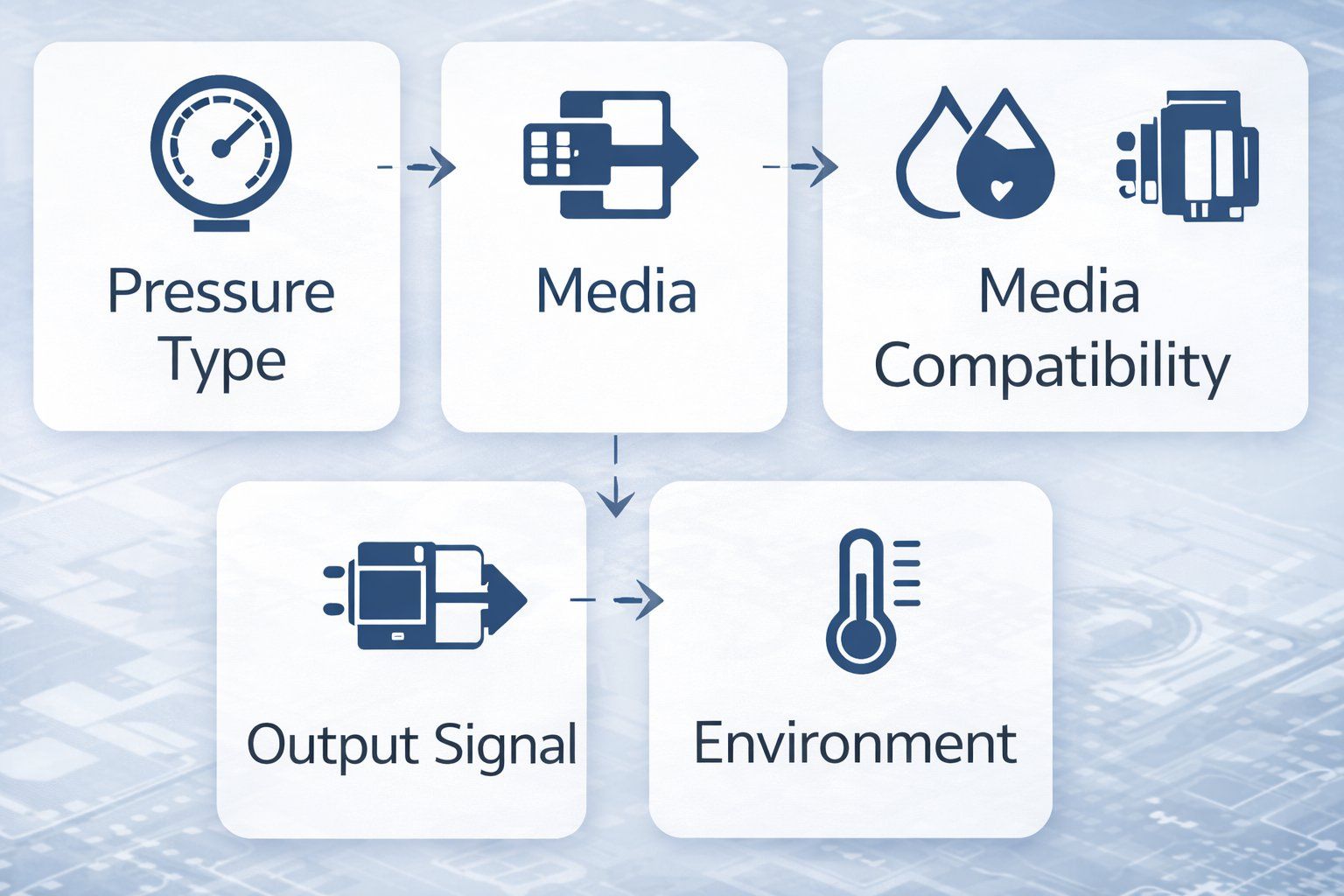
A MEMS pressure sensor should be selected as part of a complete engineering solution, not only by headline specifications.
1. Pressure Type
First, confirm the pressure reference required:
- Gauge pressure
- Absolute pressure
- Differential pressure
- Sealed gauge pressure
Using the wrong reference type can lead to inaccurate system behavior even if the sensor itself is functioning correctly.
2. Pressure Range
The measurement range should match normal operating pressure as well as occasional overload conditions. A sensor that is too close to the operating maximum may suffer from stability or lifetime issues. A sensor with an oversized range may reduce measurement resolution in the working zone.
3. Media Compatibility
This is one of the most important factors. Some MEMS pressure sensors are intended for clean air or non-corrosive gases, while others are packaged with isolation structures for broader industrial media compatibility. If the pressure medium includes oil, water, refrigerant, or mildly corrosive fluids, the wetted materials and isolation design must be reviewed carefully.
4. Output and Electrical Interface
The right output depends on the end system:
- Analog voltage may suit embedded electronics
- Current output is common in industrial control
- Digital output may simplify integration in smart devices
Power supply conditions, EMC requirements, and wiring distance should also be considered.
5. Temperature and Environment
Real operating conditions matter more than laboratory assumptions. Evaluate:
- Ambient temperature range
- Media temperature
- Humidity and condensation risk
- Shock and vibration
- Long-term stability requirements
A sensor that performs well in a controlled test setup may require additional protection in demanding field environments.
6. Packaging and Installation
The sensing chip is small, but the final product package determines how easily it fits into the system. Port style, thread, sealing method, connector type, and mounting space all affect integration efficiency and reliability.
MEMS Sensor vs. Traditional Pressure Sensor: Is MEMS Always Better?
Not always. MEMS technology is highly effective, but the best choice depends on the application.
MEMS pressure sensors are often preferred when compact size, repeatability, fast response, and scalable production are important. However, in some harsh industrial environments, the full product design around the MEMS element becomes the deciding factor. A well-packaged industrial transmitter using a MEMS sensing core may be more suitable than a bare sensor chip or low-level OEM module.
In practice, engineers should evaluate the complete sensing solution, including the sensing element, mechanical structure, compensation design, and environmental protection.
FAQ
Are MEMS pressure sensors suitable for liquid measurement?
They can be, but not every MEMS pressure sensor is designed for direct liquid contact. Media compatibility and isolation structure must be confirmed before use.
Are MEMS pressure sensors accurate enough for industrial applications?
Many are suitable for industrial and OEM applications, provided the correct range, packaging, and compensation design are selected for the operating conditions.
What is the main benefit of a MEMS pressure sensor?
The main benefit is the combination of compact size, good performance, and efficient integration for a wide range of applications.
Conclusion
MEMS pressure sensors have become an important part of modern pressure measurement because they combine miniaturized sensing technology with practical performance for OEM and industrial equipment. However, the right selection depends on more than the sensing chip itself. Pressure type, media compatibility, temperature conditions, packaging, and output requirements all need to be evaluated together.
For buyers and engineers, the most effective approach is to start from the actual application environment and then match the sensor structure to the system requirement.
CTA
If you are evaluating MEMS pressure sensors for a new project or an existing product upgrade, Reliavatech can help you review suitable options based on pressure range, media, output, and installation requirements. Depending on the application, this may include compact OEM MEMS sensor solutions, industrial pressure transmitter configurations built around MEMS sensing elements, or low-pressure differential variants. Contact Reliavatech for full specifications or suitable model recommendations.